


A Quick Overlook of – Your Cheatsheet

  • aebi
  • July 25, 2026
  • Party tent rentals in Houston make outdoor celebrations possible in one of America’s most dynamic cities. With its mix of warm weather, occasional storms, and large private yards, Houston is the ideal place for tented events ranging from backyard birthday parties to elegant weddings and corporate gatherings. Professional party tent rental companies provide the structure, […]

    Party tent rentals in Houston make outdoor celebrations possible in one of America’s most dynamic cities. With its mix of warm weather, occasional storms, and large private yards, Houston is the ideal place for tented events ranging from backyard birthday parties to elegant weddings and corporate gatherings. Professional party tent rental companies provide the structure, style, and reliability needed to host memorable occasions rain or shine.

    Houston’s climate makes tents a smart choice for almost any outdoor event. Hot summer days demand shade and protection from the sun, while sudden afternoon thunderstorms can disrupt carefully planned parties. Quality party tents create comfortable, weather-resistant spaces that keep guests cool, dry, and focused on the celebration. Many rental companies offer climate control options such as fans, misting systems, and portable air conditioning units that make outdoor events enjoyable even during peak Houston heat.

    A wide variety of tent styles is available through Houston party tent rentals. Frame tents provide open, pillar-free interiors ideal for dancing and formal seating arrangements. Pole tents create a classic peaked look that adds elegance to weddings and formal occasions. Clear top tents allow guests to enjoy starry skies while staying protected from weather. Pop up canopies work well for smaller gatherings, vendor booths, and casual backyard parties. Sizes range from compact 10 by 10 structures to expansive 40 by 100 foot tents that can accommodate hundreds of guests.

    Professional Houston party tent rental companies handle every detail of the process. They deliver the tents, complete professional setup and anchoring, and return for takedown after the event. Many also supply complementary items such as tables, chairs, lighting packages, dance floors, linens, and sidewalls that transform a basic tent into a complete outdoor venue. White string lights, chandeliers, and uplighting create beautiful evening atmospheres that elevate any celebration.

    Popular uses for party tent rentals in Houston include wedding receptions, quinceaeras, graduation parties, corporate picnics, birthday celebrations, and backyard festivals. Neighborhoods across the city from The Woodlands and Kingwood to Sugar Land and Memorial frequently host tented events. Construction companies and outdoor vendors also rely on heavy-duty tents for temporary shelters and product displays.

    When selecting party tent rentals in Houston, customers should consider several factors. The size of the guest list, the layout of the outdoor space, and the type of event all influence the best tent choice. Reputable companies provide free consultations, site visits, and detailed quotes that outline costs clearly. Professional installers understand Houston soil conditions and wind patterns, ensuring tents are securely anchored and safe for guests.

    Booking early is recommended, especially during peak wedding and graduation seasons. Many companies offer flexible packages and volume discounts for larger events. Clear communication about delivery times, setup requirements, and weather contingency plans helps ensure a smooth experience.

    Party tent rentals in Houston turn ordinary outdoor spaces into stylish, functional venues that impress guests and create lasting memories. Whether hosting an intimate family gathering or a large-scale celebration, the right tent provides comfort, protection, and visual impact. With experienced local providers ready to assist, Houston residents and event planners can focus on enjoying the party while professionals handle the structure that makes it all possible under the wide Texas sky.

    Getting To The Point –

    If You Think You Get , Then Read This

    What I Can Teach You About

  • aebi
  • Elements to Consider When Selecting Tent Rental Company Choosing the right tent rental company is an important step in planning any successful outdoor event, whether it is a wedding, corporate function, graduation ceremony, birthday celebration, festival, or community gathering. A quality tent not only provides protection from unpredictable weather but also contributes to the overall […]

    Elements to Consider When Selecting Tent Rental Company

    Choosing the right tent rental company is an important step in planning any successful outdoor event, whether it is a wedding, corporate function, graduation ceremony, birthday celebration, festival, or community gathering. A quality tent not only provides protection from unpredictable weather but also contributes to the overall appearance, comfort, and organization of the occasion. Since different companies offer varying levels of products and services, making the right choice requires careful evaluation rather than simply selecting the lowest price. Factors such as the company’s reputation, the quality of its tents and equipment, pricing and contract terms, and customer service all influence the success of an event. Taking time to assess these aspects helps ensure that the rental process is smooth, the equipment is reliable, and guests enjoy a safe and comfortable environment throughout the event.

    One of the most important factors to consider when choosing a tent rental company is its reputation and level of experience in the industry. A company with several years of experience is more likely to understand the different requirements of various events and provide suitable recommendations based on the customer’s needs. Experienced rental companies have handled numerous installations under different weather conditions and at different venues, making them better prepared to solve unexpected challenges. It is also important to research customer reviews, testimonials, and ratings because they provide insight into the reliability and professionalism of the company. Positive feedback from previous clients often indicates that the company delivers quality products, arrives on time, and fulfills its promises. Asking for references from recent customers can further help verify the company’s performance and consistency. In addition, reputable companies usually possess the necessary licenses, insurance coverage, and safety certifications required to operate legally and responsibly. Insurance is particularly important because it protects both the client and the company in case of accidental damage or injuries during installation or use. A company with a strong reputation is also more likely to prioritize customer satisfaction and maintain high standards of professionalism throughout the rental process.

    Another essential factor is the quality, variety, and condition of the tents and related equipment offered by the rental company. The appearance and durability of the tent significantly affect the comfort and overall success of the event. Customers should inspect whether the tents are clean, well maintained, and free from visible damage such as tears, stains, rusted frames, or broken fittings. High-quality tents are designed to withstand varying weather conditions, including wind, rain, and intense sunlight, providing greater protection for guests. It is equally important to consider whether the company offers different tent styles and sizes to accommodate specific event requirements. Some events may require elegant pole tents for weddings, while others may need frame tents, clear-span structures, or canopy tents for corporate or community functions. A reliable rental company should also provide additional accessories such as flooring, lighting, sidewalls, tables, chairs, staging, heating or cooling equipment, and decorative elements. Having all these items available from one provider simplifies planning and ensures that the equipment matches in style and quality. Furthermore, professional companies regularly inspect, clean, and maintain their inventory to ensure safety and functionality, reducing the likelihood of equipment failure during the event.

    Pricing and the terms of the rental agreement are also critical considerations when selecting a tent rental company. Although cost is often an important factor, the cheapest option may not always provide the best value. Customers should request detailed written quotations that clearly outline all charges, including delivery, installation, dismantling, transportation, cleaning, and any additional equipment requested. Transparent pricing helps avoid unexpected costs that may arise later. It is equally important to compare quotations from several companies to determine whether the prices reflect the quality of products and services being offered. Reading the rental contract carefully allows customers to understand payment schedules, cancellation policies, refund conditions, security deposits, liability responsibilities, and procedures for handling damaged equipment. Flexible policies can be particularly valuable if changes become necessary because of weather conditions or adjustments in guest numbers. Customers should also inquire whether the company provides backup equipment or emergency support if problems occur during the event. Understanding every detail of the agreement before signing minimizes misunderstandings and promotes a positive working relationship between both parties throughout the planning process.

    Customer service and communication should also be carefully evaluated because they greatly influence the overall rental experience from the initial inquiry to the completion of the event. A dependable tent rental company should respond promptly to questions, provide clear information, and demonstrate a genuine willingness to understand the client’s specific needs and preferences. Good communication helps ensure that important details such as event location, installation schedules, venue restrictions, guest capacity, and weather contingency plans are discussed well in advance. Professional staff should be knowledgeable enough to recommend suitable tent sizes, layouts, and accessories while considering safety regulations and budget limitations. The company should also conduct site visits when necessary to assess ground conditions, accessibility, and available space before installation begins. Efficient customer support becomes especially valuable if unexpected issues arise, such as changes in the event schedule or adverse weather requiring additional equipment or adjustments. Companies that prioritize customer satisfaction often maintain regular communication before, during, and after the event to ensure everything proceeds smoothly. Their installers should arrive punctually, complete the setup safely and efficiently, and remove the equipment without causing unnecessary disruption. Strong customer service creates confidence, reduces stress during event planning, and increases the likelihood of a successful and memorable outdoor occasion for both the host and the guests.

    What Research About Can Teach You

    Learning The “Secrets” of

    A Brief History of

  • aebi
  • Belt press rentals have become an increasingly popular option for businesses and municipalities that need reliable dewatering equipment without the financial commitment of purchasing a machine outright. A belt press is widely used to separate liquids from solids in sludge, slurry, and other industrial materials, making it an essential piece of equipment in wastewater treatment, […]

    Belt press rentals have become an increasingly popular option for businesses and municipalities that need reliable dewatering equipment without the financial commitment of purchasing a machine outright. A belt press is widely used to separate liquids from solids in sludge, slurry, and other industrial materials, making it an essential piece of equipment in wastewater treatment, mining, construction, food processing, and various manufacturing operations. Renting a belt press allows organizations to access modern, high-performance equipment while maintaining flexibility and controlling costs.

    One of the primary advantages of belt press rentals is the ability to meet short-term or seasonal project demands. Many companies experience fluctuations in production or require additional dewatering capacity during maintenance shutdowns, equipment failures, or special projects. Renting provides immediate access to equipment without the delays associated with purchasing and installing a new system. This flexibility ensures that operations continue smoothly while avoiding unnecessary capital expenditures.

    Cost savings are another significant benefit of renting a belt press. Purchasing industrial dewatering equipment requires a substantial upfront investment, along with ongoing expenses for maintenance, storage, and repairs. Rentals eliminate many of these costs because the rental provider is often responsible for equipment servicing and ensuring that the machine is in proper working condition before delivery. This allows businesses to allocate their financial resources to other operational priorities while still benefiting from advanced dewatering technology.

    Modern belt press rental units are designed for efficiency, durability, and ease of operation. They typically feature adjustable belt speeds, optimized pressure zones, and automated controls that help maximize water removal while minimizing energy consumption. These features contribute to improved sludge handling, reduced disposal volumes, and lower transportation costs. Efficient dewatering also supports environmental compliance by reducing the amount of waste requiring disposal and improving overall process performance.

    Another important advantage is the opportunity to test equipment before making a long-term investment. Businesses considering the purchase of a belt press can rent a model to evaluate its performance under actual operating conditions. This practical experience helps decision-makers determine whether a specific machine meets production requirements and integrates effectively with existing systems. Testing equipment through rentals reduces the risk of investing in machinery that may not fully satisfy operational needs.

    Rental providers often offer technical support, installation assistance, and operator training as part of their service packages. This additional expertise helps ensure that the equipment is properly configured and operates at peak efficiency. In many cases, providers can also recommend the most suitable belt press model based on sludge characteristics, processing capacity, and project requirements. Access to experienced professionals can significantly improve project outcomes and reduce downtime caused by operational issues.

    Belt press rentals are suitable for a wide variety of applications, including municipal wastewater treatment plants, industrial manufacturing facilities, mining operations, paper mills, agricultural processing sites, and environmental remediation projects. Whether the requirement involves emergency response, temporary capacity expansion, pilot testing, or scheduled maintenance, rental equipment provides a dependable solution that can be deployed quickly and efficiently.

    As industries continue to prioritize operational flexibility, environmental responsibility, and cost management, belt press rentals remain an attractive option for organizations seeking reliable dewatering solutions. By combining modern equipment, financial flexibility, and expert support, rental programs enable businesses to complete projects efficiently while minimizing risk and controlling expenses. For many organizations, renting a belt press offers the ideal balance between performance, convenience, and economic value, making it a practical choice for both short-term assignments and evolving operational needs.

    A Beginners Guide To

    Tips for The Average Joe

    Getting To The Point –

  • aebi
  • When selecting a used belt press, several critical factors must be meticulously evaluated to ensure the equipment meets operational requirements and provides long-term value. A thorough assessment of these elements can prevent costly mistakes and optimize the investment. Firstly, the mechanical condition of the belt press is paramount. This involves a detailed inspection of the […]

    When selecting a used belt press, several critical factors must be meticulously evaluated to ensure the equipment meets operational requirements and provides long-term value. A thorough assessment of these elements can prevent costly mistakes and optimize the investment.

    Firstly, the mechanical condition of the belt press is paramount. This involves a detailed inspection of the frame, rollers, bearings, and belts. The frame should be free from significant corrosion, cracks, or deformation, as these can indicate structural fatigue or previous damage. Rollers must be true and free from excessive wear or pitting, which can compromise belt tracking and dewatering efficiency. Bearings, often subjected to high loads and abrasive environments, should be checked for smooth operation and absence of play. Worn bearings can lead to increased energy consumption and premature failure. The condition of the belts themselves is also crucial. Look for signs of fraying, tears, patching, or uneven wear. The type of belt material should also be considered, as different materials are suited for various sludge characteristics and chemical environments. The belt tensioning and tracking system should be functional and well-maintained, as proper belt alignment is essential for efficient operation and extended belt life.

    Secondly, the operational history and maintenance records of the used belt press provide invaluable insights. Understanding how the press was previously used, the types of materials it processed, and the frequency of operation can help predict its remaining service life. Comprehensive maintenance records will detail routine servicing, component replacements, and any significant repairs. A history of consistent preventative maintenance is a strong indicator of a well-cared-for machine, while a lack of records or a history of frequent breakdowns should raise red flags. Inquire about the reason for selling; sometimes equipment is upgraded due to increased capacity needs rather than inherent defects.

    Thirdly, the suitability of the belt press for the intended application is a critical consideration. This involves matching the press’s capacity, design, and materials of construction to the specific characteristics of the sludge or slurry to be dewatered. Factors such as solids concentration, particle size, abrasiveness, and chemical composition of the feed material will influence the optimal press configuration. For example, some sludges may require high-pressure zones or specialized belt materials to achieve desired dryness levels. It is also important to consider the desired cake dryness and filtrate quality, as these directly impact downstream processes and disposal costs. A belt press designed for municipal wastewater sludge may not be optimal for industrial slurries with different rheological properties.

    Fourthly, the availability of spare parts and technical support for the specific model of belt press should be investigated. Older or discontinued models may have limited access to genuine spare parts, potentially leading to extended downtime and increased maintenance costs if custom fabrication is required. Proximity to technical support or specialized service providers can also be a factor, particularly for complex repairs or troubleshooting.

    Finally, the overall cost of ownership extends beyond the initial purchase price to include potential refurbishment costs, transportation, installation, energy consumption, and ongoing maintenance. Obtain quotes for any necessary repairs or upgrades identified during the inspection. Calculate the estimated operating costs, including power, water, and chemical consumption, as well as labor requirements. A seemingly inexpensive used belt press may prove to be more costly in the long run if it requires significant investment in repairs or operates inefficiently.

    In conclusion, the selection of a used belt press demands a systematic and comprehensive evaluation. By meticulously examining the mechanical condition, scrutinizing operational history, ensuring application suitability, verifying spare parts availability, and assessing the total cost of ownership, purchasers can make an informed decision that optimizes both performance and economic viability for their dewatering needs.

    Why No One Talks About Anymore

    Doing The Right Way

    On : My Thoughts Explained

  • aebi
  • Renting the Perfect Houston Table for Your Event When it comes to hosting a successful event in Houston, the right furniture can make all the difference. One of the most essential elements of any event is the table, and choosing the right one can be a daunting task. With so many options available, it’s easy […]

    Renting the Perfect Houston Table for Your Event

    When it comes to hosting a successful event in Houston, the right furniture can make all the difference. One of the most essential elements of any event is the table, and choosing the right one can be a daunting task. With so many options available, it’s easy to get overwhelmed and end up with a table that doesn’t quite fit your needs. In this article, we’ll explore the world of Houston table rentals and provide you with the information you need to make an informed decision.

    Types of Tables Available for Rent

    Houston table rentals offer a wide range of tables to suit every occasion and style. From elegant banquet tables to rustic farm tables, you can find the perfect table to match your event’s theme and aesthetic. Some of the most popular types of tables available for rent include:

    1. Banquet tables: These long, rectangular tables are perfect for large events and can accommodate a variety of seating arrangements.
    2. Round tables: Ideal for smaller gatherings, round tables create a cozy and intimate atmosphere and can be used for both formal and informal events.
    3. Farm tables: Rustic and charming, farm tables are perfect for outdoor events and can add a touch of country charm to your celebration.
    4. Coffee tables: These smaller tables are great for cocktail parties and can be used as a base for decorative centerpieces.

    Benefits of Renting a Table

    Renting a table can be a cost-effective and convenient option for events of all sizes. Here are just a few benefits of renting a table:

    1. Cost savings: Renting a table can be significantly cheaper than purchasing one outright, especially for one-time events.
    2. Flexibility: With a rental table, you can choose from a variety of styles and sizes to suit your needs, and can often return the table after the event.
    3. Convenience: Renting a table eliminates the need for storage and transportation, making it a hassle-free option for event planners.

    How to Choose the Right Table for Your Event

    Choosing the right table for your event can be a daunting task, but with a few simple steps, you can find the perfect table to match your needs. Here are some tips to keep in mind:

    1. Consider the size of your event: Larger events require larger tables, while smaller gatherings can get by with smaller tables.
    2. Think about the style of your event: Formal events call for elegant banquet tables, while more casual events can use rustic farm tables.
    3. Don’t forget about comfort: Make sure the table is comfortable for your guests, with enough space for plates, glasses, and other essentials.
    4. Check the rental company’s inventory: Make sure the rental company has a variety of tables to choose from, and can accommodate your specific needs.

    Tips for Working with a Table Rental Company

    Working with a table rental company can be a breeze if you know what to expect. Here are some tips to keep in mind:

    1. Research local companies: Look for companies with a good reputation and a wide range of tables to choose from.
    2. Check their inventory: Make sure the company has the type of table you need, and can accommodate your specific needs.
    3. Ask about delivery and setup: Find out if the company offers delivery and setup services, and what the costs are.
    4. Read reviews: Check online reviews to see what other customers have to say about the company’s service and quality.

    Popular Houston Table Rental Companies

    Houston has a wide range of table rental companies to choose from, each with their own unique offerings and services. Here are a few popular companies to consider:

    1. Party Supplies Plus: This company offers a wide range of tables, including banquet tables, round tables, and farm tables.
    2. Houston Party Rentals: This company has been in business for over 20 years and offers a variety of tables, including coffee tables and bar tables.
    3. Event Rentals Unlimited: This company offers a wide range of tables, including elegant banquet tables and rustic farm tables.

    Conclusion

    Renting a table can be a cost-effective and convenient option for events of all sizes. With a wide range of tables to choose from, you can find the perfect table to match your needs and style. By following the tips outlined in this article, you can choose the right table for your event and create a memorable and enjoyable experience for your guests. Whether you’re planning a formal wedding or a casual backyard barbecue, a well-chosen table can make all the difference.

    On : My Rationale Explained

    The 5 Laws of And How Learn More

    How I Achieved Maximum Success with

  • aebi
  • Belt Filter Press Rental for Industrial Applications When it comes to sludge dewatering and wastewater treatment, belt filter presses have become an essential piece of equipment for many industrial facilities. These machines are capable of handling large volumes of wastewater and producing a high-quality filter cake, making them an attractive option for rental. In this […]

    Belt Filter Press Rental for Industrial Applications

    When it comes to sludge dewatering and wastewater treatment, belt filter presses have become an essential piece of equipment for many industrial facilities. These machines are capable of handling large volumes of wastewater and producing a high-quality filter cake, making them an attractive option for rental. In this article, we will explore the benefits of belt filter press rental and how it can help your facility achieve its wastewater treatment goals.

    Understanding Belt Filter Presses

    A belt filter press is a type of machine that uses a series of rollers and belts to remove water from sludge and wastewater. The process begins with the sludge being fed into the machine, where it is then pressed between the rollers and belts, removing as much water as possible. The resulting filter cake is then collected and disposed of, while the remaining water is often reused or discharged. Belt filter presses are highly effective at removing water from sludge, allowing for a significant reduction in its volume and making it easier to transport and dispose of.

    Benefits of Belt Filter Press Rental

    Rental of a belt filter press offers several benefits to your facility. One of the main advantages is that it allows you to access the latest technology without having to purchase a new machine outright. This can be especially beneficial for facilities that only require a belt filter press for a short period of time, such as during a peak production season. Additionally, rental costs can be significantly lower than purchasing a new machine, making it a more affordable option.

    Another benefit of belt filter press rental is that it provides flexibility. Rental companies often offer a range of machine sizes and configurations, allowing you to choose the one that best suits your facility’s needs. This can be especially beneficial for facilities that have varying levels of wastewater production throughout the year. Rental companies can also provide maintenance and repair services, ensuring that the machine is always in good working order.

    Choosing the Right Belt Filter Press Rental Company

    When selecting a rental company for your belt filter press, there are several factors to consider. One of the most important is the company’s experience and expertise in the wastewater treatment industry. Look for a company that has a proven track record of providing reliable and efficient service to its clients. Additionally, consider the company’s range of machine sizes and configurations, as well as its maintenance and repair services.

    You should also consider the rental company’s commitment to safety and environmental responsibility. Look for a company that prioritizes the safety of its employees and the community, as well as the environmental impact of its operations. This can be especially important for facilities that are subject to strict environmental regulations.

    Preparing for a Belt Filter Press Rental

    Before you can take advantage of a belt filter press rental, there are several steps you need to take. First, you need to determine the size and type of machine that you need. This will depend on the volume of wastewater that your facility produces, as well as the level of treatment required. You should also consider the space and power requirements for the machine, as well as any necessary permits or licenses.

    Once you have determined the type of machine you need, you should contact a rental company to discuss your options. The rental company will be able to provide you with a detailed quote for the machine, as well as any necessary maintenance and repair services. Be sure to ask about any additional costs or fees, as well as the company’s commitment to safety and environmental responsibility.

    Conclusion

    Belt filter press rental is a practical and affordable solution for facilities that require a high-quality wastewater treatment solution. By renting a belt filter press, you can access the latest technology without having to purchase a new machine outright, providing flexibility and cost savings. When selecting a rental company, be sure to consider their experience, expertise, and commitment to safety and environmental responsibility. With the right belt filter press rental company, you can achieve your wastewater treatment goals and ensure a safe and environmentally responsible operation.

    – Getting Started & Next Steps

    A Simple Plan For Researching

    : 10 Mistakes that Most People Make

  • aebi
  • Sheet metal enclosures play a vital role in protecting electrical, electronic, and mechanical equipment across a wide range of industries. Manufactured from materials such as stainless steel, aluminum, galvanized steel, or carbon steel, these enclosures are designed to safeguard sensitive components from dust, moisture, impact, and environmental hazards. Their durability, versatility, and customizability make them […]

    Sheet metal enclosures play a vital role in protecting electrical, electronic, and mechanical equipment across a wide range of industries. Manufactured from materials such as stainless steel, aluminum, galvanized steel, or carbon steel, these enclosures are designed to safeguard sensitive components from dust, moisture, impact, and environmental hazards. Their durability, versatility, and customizability make them a preferred choice for industrial facilities, commercial buildings, telecommunications, healthcare, and manufacturing operations.
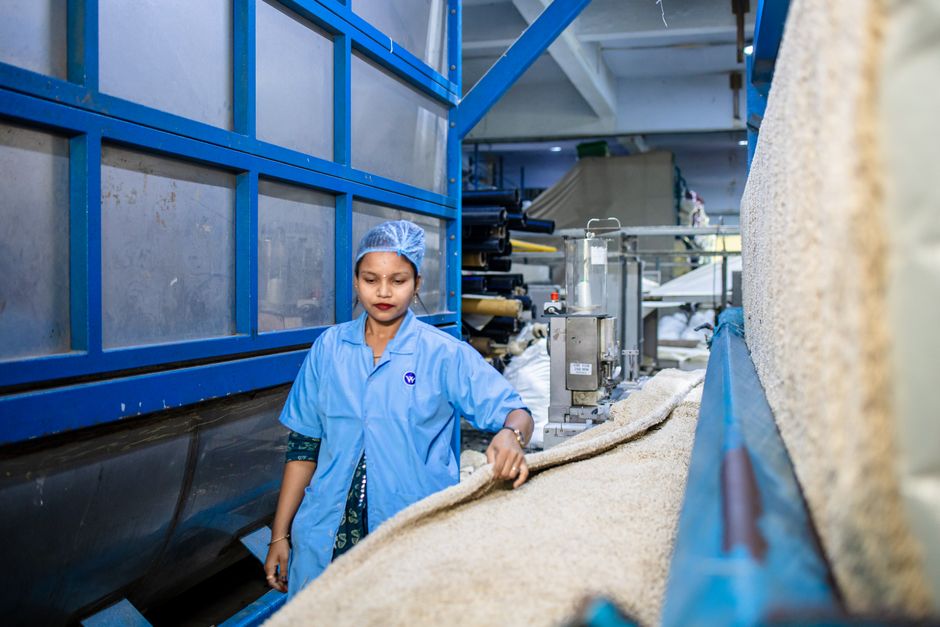
    One of the key advantages of sheet metal enclosures is their exceptional strength and durability. Unlike plastic alternatives, metal enclosures provide superior resistance to physical damage, high temperatures, and harsh operating conditions. This makes them ideal for environments where equipment is exposed to vibration, heavy machinery, or frequent handling. Properly manufactured sheet metal enclosures can maintain their structural integrity for many years, reducing replacement costs and improving overall equipment reliability.

    Another important benefit is their ability to provide effective protection against environmental factors. Depending on the design and sealing methods, sheet metal enclosures can prevent dust, water, chemicals, and corrosive substances from reaching sensitive electrical or electronic components. This protection is essential in industries where equipment must operate continuously despite challenging environmental conditions. By minimizing exposure to contaminants, these enclosures help reduce maintenance requirements and extend the lifespan of valuable equipment.

    Customization is one of the greatest strengths of sheet metal enclosures. Manufacturers can produce enclosures in virtually any size, shape, or configuration to accommodate specific equipment and operational requirements. Features such as mounting brackets, ventilation openings, cable entry points, hinged doors, removable panels, and locking mechanisms can all be integrated into the design. Custom fabrication ensures that the enclosure not only protects the equipment but also provides easy access for installation, inspection, and maintenance.

    Material selection significantly influences the performance of a sheet metal enclosure. Stainless steel is widely chosen for applications requiring corrosion resistance and hygiene, such as food processing, pharmaceutical production, and healthcare facilities. Aluminum offers a lightweight yet durable solution that is ideal for transportation, telecommunications, and outdoor installations. Carbon steel provides excellent strength and cost-effectiveness, while galvanized steel delivers additional protection against rust in demanding environments. Selecting the appropriate material helps maximize both performance and long-term value.

    Modern manufacturing technologies have greatly improved the quality and precision of sheet metal enclosures. Computer-controlled laser cutting, CNC punching, precision bending, robotic welding, and advanced finishing techniques allow manufacturers to produce highly accurate components with consistent quality. Powder coating and specialized surface treatments further enhance corrosion resistance while providing an attractive appearance that suits commercial and industrial settings.

    Sheet metal enclosures also contribute to workplace safety by protecting employees from accidental contact with energized electrical components or moving mechanical parts. Secure doors, locking systems, and properly designed access panels help prevent unauthorized entry while allowing qualified personnel to perform maintenance safely. Many en, industrial automation, renewable energy installations, communication networks, transportation infrastructure, and data centers. Their ability to house sensitive equipment while providing mechanical strength and environmental protection makes them essential for maintainingclosures are designed to comply with industry standards and regulatory requirements, ensuring reliable protection in demanding operating environments.

    These enclosures are widely used in electrical distribution systems, industrial automation, renewable energy installations, communication networks, transportation infrastructure, and data centers. Their ability to house sensitive equipment while providing mechanical strength and environmental protection makes them essential for maintaining operational reliability. As industries continue to adopt more advanced technologies, the demand for durable and precisely engineered sheet metal enclosures continues to grow.

    Investing in high-quality sheet metal enclosures offers long-term benefits through improved equipment protection, enhanced safety, and reduced maintenance costs. Their combination of strength, adaptability, and reliable performance makes them an ideal solution for organizations seeking dependable protection for critical systems in a wide variety of industrial and commercial applications.

    A Brief Rundown of

    Why Aren’t As Bad As You Think

    A Quick Overlook of – Your Cheatsheet

  • aebi
  • How Hydroseeding Transforms Your New Hampshire Landscape When you look at a freshly green lawn on a hillside or a newly planted park, the smooth, even cover often hides a sophisticated process that begins beneath the surface. In New Hampshire, hydroseeding services have become a popular choice for homeowners, property managers, and municipal planners who […]

    How Hydroseeding Transforms Your New Hampshire Landscape

    When you look at a freshly green lawn on a hillside or a newly planted park, the smooth, even cover often hides a sophisticated process that begins beneath the surface. In New Hampshire, hydroseeding services have become a popular choice for homeowners, property managers, and municipal planners who want rapid growth, strong erosion control, and a cost effective solution for large areas. Understanding how this technique works, why it suits the local climate, and what to expect from a professional provider can help you make an informed decision for your next landscaping project.

    The first step in hydroseeding involves mixing seed, mulch, water, and a binding agent into a slurry that can be sprayed onto the ground. Unlike traditional seeding, which relies on hand spreading or mechanical broadcasting, this mixture adheres to the soil immediately, creating a protective blanket that retains moisture and shields the seed from wind and birds. In the rocky soils and variable slopes common across New Hampshire, that protective layer makes a noticeable difference in germination rates. When you watch the slurry settle, you can see how the mulch fills tiny crevices, preventing erosion before the roots have a chance to develop.

    Choosing the right seed blend matters as much as the application method. Local hydroseeding services in New Hampshire typically recommend cool season grasses such as Kentucky bluegrass, perennial ryegrass, and fine fescue because they thrive in the region’s cold winters and moderate summers. By selecting a mix that matches your site’s sunlight exposure and soil type, you set the stage for a lawn that stays green throughout the year. If you need a blend that tolerates heavy foot traffic, the provider can add a proportion of ryegrass, which establishes quickly and recovers from wear.

    Timing the application aligns closely with the seasonal rhythm of New Hampshire. Early spring offers ample moisture and rising temperatures, conditions that encourage rapid seed germination. Late summer also works well, especially for areas that receive consistent rainfall. When you schedule hydroseeding during these windows, the slurry remains moist long enough for the seed to sprout before the first frost arrives. A professional crew monitors weather forecasts and may adjust the mixture’s water content to match the anticipated temperature and humidity, ensuring optimal results.

    Cost considerations often influence the decision between hydroseeding and other methods. While the upfront price of a hydroseeding job can exceed that of simple broadcast seeding, the long term savings become evident through reduced labor, lower water usage, and fewer re?seeding efforts. Because the mulch in the slurry holds moisture, you typically water the area less frequently during the establishment phase. Moreover, the rapid coverage prevents weeds from taking hold, which reduces the need for herbicide applications. When you calculate the total expense over the first year, many property owners find hydroseeding to be a financially smart choice.

    Environmental impact also plays a role in today’s landscaping decisions. The mulch used in hydroseeding often consists of recycled paper or wood fibers, which decompose naturally and enrich the soil. By providing immediate ground cover, the process limits soil erosion on slopes and protects nearby waterways from sediment runoff. In New Hampshire, where many properties sit near streams and lakes, that protection aligns with local conservation goals. Selecting a provider that sources biodegradable mulch and uses native seed varieties further enhances the ecological benefits of the project.

    After the slurry is applied, ongoing care helps the new lawn reach its full potential. Light watering for the first week keeps the mulch moist without creating puddles. As the grass begins to grow, you can gradually reduce watering frequency while increasing the depth of each soak. A gentle first mowing, performed when the blades reach three inches, encourages a dense root system and promotes a uniform appearance. By following these simple steps, you reinforce the foundation laid by the hydroseeding service and enjoy a resilient lawn that withstands the New Hampshire climate.

    When you evaluate hydroseeding services in New Hampshire, look for companies that demonstrate local expertise, transparent pricing, and a clear plan for site preparation. A reputable crew will assess soil pH, remove debris, and grade the area to ensure even water distribution before spraying the slurry. They will also provide a written warranty that covers germination success and offers follow up visits if the lawn does not meet agreed standards. By partnering with such a provider, you gain confidence that the investment will deliver a healthy, attractive landscape that adds value to your property.

    In summary, hydroseeding offers a blend of speed, durability, and environmental stewardship that fits the unique demands of New Hampshire’s terrain. By understanding the process, selecting appropriate seed blends, timing the application, and committing to proper aftercare, you can transform a bare slope or a large yard into a vibrant green space. Whether you aim to curb erosion on a hillside, establish a new park, or simply refresh a residential lawn, hydroseeding services in New Hampshire provide a modern solution that meets both aesthetic and practical goals.

    Getting Creative With Advice

    A Simple Plan For Researching

    6 Facts About Everyone Thinks Are True

  • aebi
  • Finding the right belt press for sale is an important step for businesses that require efficient solid-liquid separation. Belt presses are widely used in industries such as wastewater treatment, food processing, mining, paper production, and chemical manufacturing because they provide continuous, cost-effective dewatering of sludge and other materials. Investing in a high-quality belt press helps […]

    Finding the right belt press for sale is an important step for businesses that require efficient solid-liquid separation. Belt presses are widely used in industries such as wastewater treatment, food processing, mining, paper production, and chemical manufacturing because they provide continuous, cost-effective dewatering of sludge and other materials. Investing in a high-quality belt press helps reduce disposal costs, improve productivity, and ensure consistent performance over the long term.

    A belt press operates by passing material through a series of porous belts where pressure is gradually applied to remove excess water. The process begins with gravity drainage, allowing free water to escape before the material enters a compression zone. As pressure increases, more moisture is extracted, producing a drier cake while the separated liquid is collected for further treatment or disposal. This continuous process makes belt presses suitable for facilities handling large volumes of material every day.

    When searching for a belt press for sale, buyers should evaluate the machine’s capacity to ensure it matches operational requirements. Choosing equipment that is too small may create production bottlenecks, while an oversized unit can increase energy consumption and operating costs. Understanding daily throughput and moisture reduction goals helps determine the ideal machine size.

    Construction quality is another essential consideration. Belt presses manufactured with corrosion-resistant stainless steel generally provide longer service life, particularly when processing aggressive or corrosive materials. Durable frames, heavy-duty rollers, and high-quality bearings reduce maintenance needs and minimise unexpected downtime. Reliable construction also contributes to consistent dewatering performance over many years of operation.

    Automation features have become increasingly important in modern belt presses. Many machines include programmable control systems that automatically regulate belt speed, pressure, washing cycles, and sludge feed rates. Automated operation reduces manual intervention, improves consistency, and allows operators to monitor system performance with greater accuracy. Some advanced models also include remote monitoring capabilities that support preventive maintenance and rapid troubleshooting.

    Energy efficiency is another advantage to consider when comparing available machines. Efficient motors, optimised roller configurations, and effective water recycling systems help reduce electricity and water consumption. Lower operating costs can significantly improve the return on investment, especially for facilities running equipment continuously.

    Routine maintenance should also influence purchasing decisions. A well-designed belt press provides easy access to rollers, bearings, spray bars, and belts for cleaning and servicing. Readily available replacement parts and dependable technical support can minimise downtime and extend equipment lifespan. Buyers often benefit from working with suppliers who provide installation assistance, operator training, and after-sales service.

    Both new and refurbished belt presses are available on the market. New equipment offers the latest technology, manufacturer warranties, and maximum reliability. Refurbished machines can provide substantial cost savings while still delivering dependable performance when properly rebuilt and inspected. Buyers should request maintenance records, operational history, and performance testing results before purchasing used equipment.

    A belt press is a valuable investment for organisations seeking efficient, continuous, and economical dewatering solutions. Selecting equipment with the appropriate capacity, durable construction, user-friendly controls, and dependable support ensures reliable operation for years to come. Whether expanding an existing facility or upgrading ageing equipment, choosing the right belt press can improve processing efficiency, reduce waste management expenses, enhance environmental compliance, and contribute to overall operational success across a wide range of industrial applications.

    Study: My Understanding of

    5 Takeaways That I Learned About

    What Do You Know About

  • aebi
  • The Art of Large Tree Transplanting: A Delicate yet Rewarding Process Large tree transplanting is a complex and intricate process that requires careful planning, specialized equipment, and a deep understanding of tree biology. When done correctly, it can be a highly rewarding experience, allowing you to relocate a mature tree to a new location while […]

    The Art of Large Tree Transplanting: A Delicate yet Rewarding Process

    Large tree transplanting is a complex and intricate process that requires careful planning, specialized equipment, and a deep understanding of tree biology. When done correctly, it can be a highly rewarding experience, allowing you to relocate a mature tree to a new location while minimizing stress and ensuring its continued health. However, when executed poorly, it can lead to significant damage or even the death of the tree. In this article, we will delve into the world of large tree transplanting, exploring the reasons why it’s necessary, the steps involved, and the key considerations to keep in mind.

    1. Why Transplant Large Trees?

    Large trees are often considered irreplaceable due to their age, size, and historical significance. Whether it’s a majestic oak, a towering pine, or a stately maple, these trees have a unique character and charm that cannot be replicated. However, sometimes circumstances dictate that a large tree must be relocated. This might be due to urban development, road construction, or other factors that threaten the tree’s safety or well-being. In such cases, transplanting the tree becomes a viable option, allowing you to preserve its beauty and significance while adapting to changing circumstances.

    2. Preparing for Transplantation

    Before transplanting a large tree, it’s essential to assess its condition and determine whether it’s a good candidate for relocation. Factors such as the tree’s age, size, and root system will influence the transplanting process. Younger trees with smaller root systems are generally easier to transplant, while older trees with extensive root systems may require more specialized care. Additionally, the tree’s health and vigor will impact its ability to withstand the stress of transplantation. A healthy tree with a robust root system will be more resilient and better equipped to adapt to its new environment.

    3. Choosing the Right Equipment

    Transplanting a large tree requires specialized equipment, including a tree spade, a crane or excavator, and a root ball container. The tree spade is a large, heavy-duty tool designed to carefully dig around the tree’s root system without causing damage. The crane or excavator is used to lift the tree and transport it to its new location. The root ball container is a specialized vessel designed to hold the tree’s root system in place during transportation. When selecting equipment, it’s crucial to choose tools that are specifically designed for large tree transplanting and are in good working condition.

    4. Digging and Removing the Tree

    Digging and removing a large tree is a delicate process that requires precision and care. The tree spade is used to carefully dig around the tree’s root system, taking care not to damage any roots or disturb the surrounding soil. Once the tree is exposed, the crane or excavator is used to lift it out of the ground, taking care not to cause any further damage. The root ball container is then placed around the tree’s root system, and the tree is carefully lifted and transported to its new location.

    5. Preparing the New Site

    Before transplanting the tree, the new site must be prepared to ensure its success. This involves excavating a hole that is slightly larger than the root ball container, taking care to avoid any underground utilities or obstructions. The soil in the new site should be similar in composition to the original soil, and any necessary amendments should be made to ensure the tree’s continued health. The tree is then carefully placed in the new hole, and the root ball container is removed.

    6. Backfilling and Watering

    After the tree is in place, the root ball container is removed, and the soil is backfilled around the tree’s root system. It’s essential to backfill the soil carefully, taking care not to compact the soil or disturb the roots. The tree is then watered thoroughly to help settle the soil and provide it with the necessary moisture to establish itself in its new environment.

    7. Post-Transplant Care

    After transplanting a large tree, it’s essential to provide it with proper care to ensure its continued health and success. This includes regular watering, fertilization, and pruning to promote healthy growth and development. The tree should also be monitored for signs of stress or disease, and any necessary treatments should be applied promptly. With proper care, a transplanted tree can thrive in its new environment, providing beauty and shade for years to come.

    8. Considerations and Challenges

    Transplanting a large tree is a complex and challenging process that requires careful planning and execution. Some of the key considerations include the tree’s size and weight, the soil composition and moisture levels, and the availability of specialized equipment. Additionally, the tree’s root system and health will impact its ability to withstand the stress of transplantation. In some cases, it may be necessary to prune or remove branches to reduce the tree’s size and weight, or to use specialized equipment to lift and transport the tree.

    9. Conclusion

    Large tree transplanting is a delicate yet rewarding process that requires careful planning, specialized equipment, and a deep understanding of tree biology. When done correctly, it can be a highly successful experience, allowing you to relocate a mature tree to a new location while minimizing stress and ensuring its continued health. However, when executed poorly, it can lead to significant damage or even the death of the tree. By understanding the reasons why large trees are transplanted, the steps involved, and the key considerations to keep in mind, you can ensure the success of this complex and intricate process.

    What No One Knows About

    : 10 Mistakes that Most People Make